Protein muffins are the secret weapon in my kitchen—trusty little powerhouses that I can rely on whether I’m rushing out the door or planning a mindful snack between meals. They’re not just a healthier alternative to sugar-loaded baked goods; they’re a smart way to fuel your body with lasting energy, especially if you’re following a low-sugar or high-protein lifestyle. What makes protein muffins even more appealing is how versatile they are—you can enjoy them for breakfast, pack them for school lunches, or even serve them as a satisfying post-workout bite.
In this article, we’ll dive deep into why protein muffins are more than just a trendy food. We’ll cover how to bake them without using refined sugar, which protein powders work best, and how to avoid the most common baking mistakes that lead to dry, rubbery results. Whether you’re new to baking with protein powder or you’re trying to replace high-sugar snacks with something that truly satisfies, you’ll learn how to make muffins that are both delicious and nourishing.
I’ll also walk you through the exact protein muffins recipe I use at home—one that’s diabetic-friendly, gluten-free, and made with simple ingredients like almond flour, cottage cheese, and juicy blueberries. These high-protein muffins are one of the easiest ways to prep ahead for the week. By the end of this guide, you’ll have everything you need to make perfect protein muffins: fluffy, flavorful, and easy to prep ahead.
Let’s get started. Because healthy doesn’t have to mean boring—and muffins don’t have to mean sugar.
Table of Contents
From Kitchen Experiments to Protein Muffin Magic
Baking with Purpose: A Healthier Start
When my dad was diagnosed with type 2 diabetes, our family baking habits changed overnight. Gone were the sugary blueberry muffins we used to make on Sundays. At first, I didn’t know what to bake anymore. Everything felt either too bland or too complicated. But I wasn’t ready to give up on that cozy Sunday feeling—the smell of something warm and sweet baking in the oven. That’s when I started experimenting with protein muffins.
They were a mess at first. Dry, chalky, oddly chewy. But after a dozen attempts, I cracked the code. Today’s version—fluffy, lemon-zested, and lightly sweet with juicy blueberries—is a staple in our kitchen. Packed with whey protein powder, almond flour, and cottage cheese, these protein muffins are as nutritious as they are delicious. They’re great for anyone managing blood sugar, cutting carbs, or looking for a protein-packed snack.
What I love most is how forgiving they are. Whether you’re using pea protein or egg white powder or folding in extra berries, they come together in just 20 minutes and never feel like “health food.”
You can make a batch ahead and pair them with your morning coffee or pack one in a lunchbox. They even freeze beautifully. These protein muffins are my way of saying “you can still enjoy the sweet moments,” even when life—and blood sugar—demand a new path.
If you’re looking for more ideas like these, don’t miss my Greek Yogurt Blueberry Muffins and naturally sweetened Cottage Cheese Banana Bread. Both are low-sugar, high-flavor favorites in our house.
Why Protein Muffins Work for Low-Sugar Baking
High-Protein, Low-Sugar: The Winning Combo
What makes protein muffins stand out is their unique blend of satisfaction and nutrition. Traditional muffins are often packed with refined flour and sugar—quick to spike blood sugar and leave you hungry an hour later. Protein muffins flip that script. By swapping in whey protein powder, almond flour, and cottage cheese, you get a snack that’s rich in protein and healthy fats, both of which help slow digestion and promote fullness.
In fact, each protein muffin in this recipe delivers over 9 grams of protein with just 1.4 grams of sugar, making them an ideal fit for diabetic-friendly or high-protein diets. They’re also naturally gluten-free and grain-free, which helps avoid the blood sugar spikes associated with refined carbs. If you’re managing diabetes or simply trying to keep energy levels steady, these protein muffins are a smart, feel-good option.
And the beauty of protein muffins is that they’re flexible. You can use egg white, pea, or hemp protein in place of whey if you’re dairy-free. Swap blueberries for raspberries, or add a dash of cinnamon for warmth. Every ingredient has a purpose—and every substitution opens the door to a new flavor combination.
Curious about other naturally sweetened treats? Try my banana oat chocolate chip cookies for another smart way to satisfy cravings without added sugar.
Smart Ingredients That Actually Taste Good
A big challenge in low-sugar baking is keeping flavor and texture without relying on cane sugar or white flour. Here’s how we do it:
- Cottage Cheese: Adds moisture, protein, and a creamy texture without tasting “cheesy.”
- Whey Protein Powder: Builds structure and protein content without drying out the crumb.
- Almond Flour: Naturally sweet, low in carbs, and rich in healthy fats.
- Erythritol or Monk Fruit Sweetener: These natural, low-glycemic options give just enough sweetness without a blood sugar spike.
- Lemon Zest & Juice: Bring brightness and balance to the flavor.
- Blueberries: Provide juicy bursts of natural sweetness in every bite.
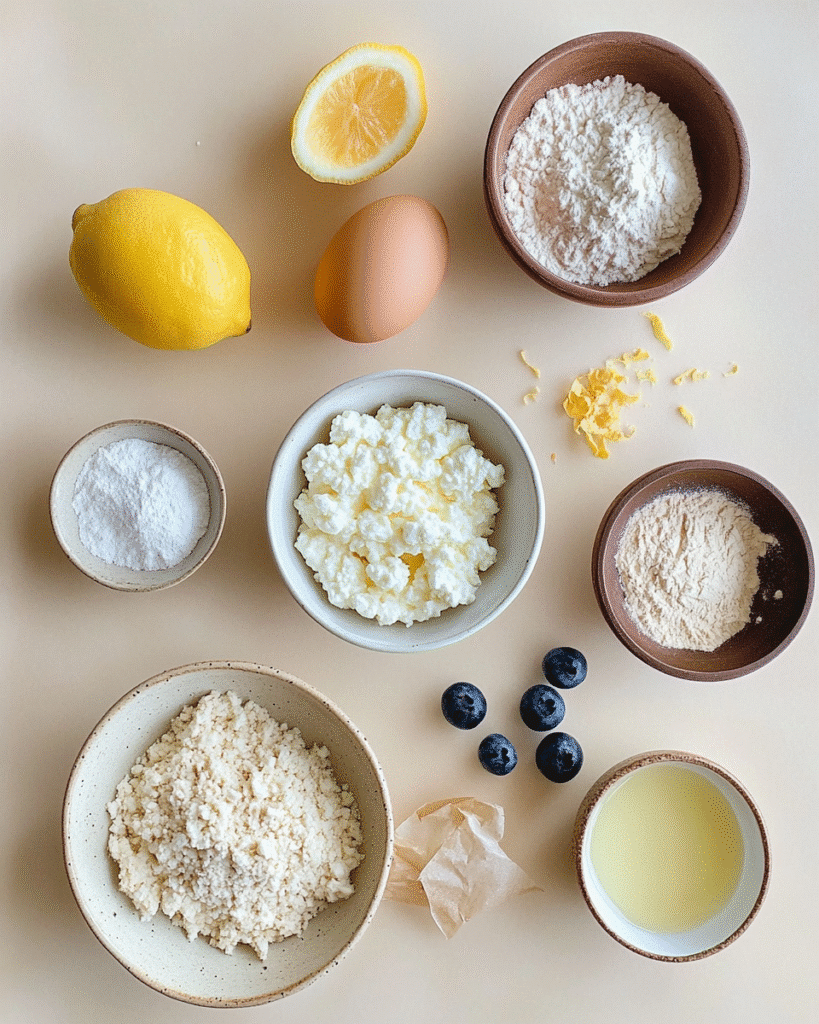
This blend creates muffins that are rich, moist, and balanced—never bland or gummy like some protein-heavy baked goods. If you’ve had dry, chalky muffins before, this recipe will change your mind.
Want more sugar-free comfort foods? My sugar-free donuts and sugar-free pecan pie are just as satisfying, and just as kind to your blood sugar.
Bake Like a Pro: How to Get Fluffy Protein Muffins Every Time
Protein Powder in Muffins? Here’s How to Use It Right
Protein muffins owe their success to one key ingredient: protein powder. It’s a game-changer in baking—but only if used correctly. Add too much, and your muffins can turn out dry, rubbery, or dense. Use too little, and you’ll miss out on the protein punch that makes protein muffins such a satisfying option. The secret lies in balance.
In this recipe, ½ cup of whey protein powder is just the right amount. It adds structure and keeps the protein muffins light without overwhelming the texture. Whey works best here because it blends smoothly with almond flour and holds moisture well. But if you’re dairy-free, you can confidently swap in pea, egg white, or hemp protein, though results may vary slightly in texture.
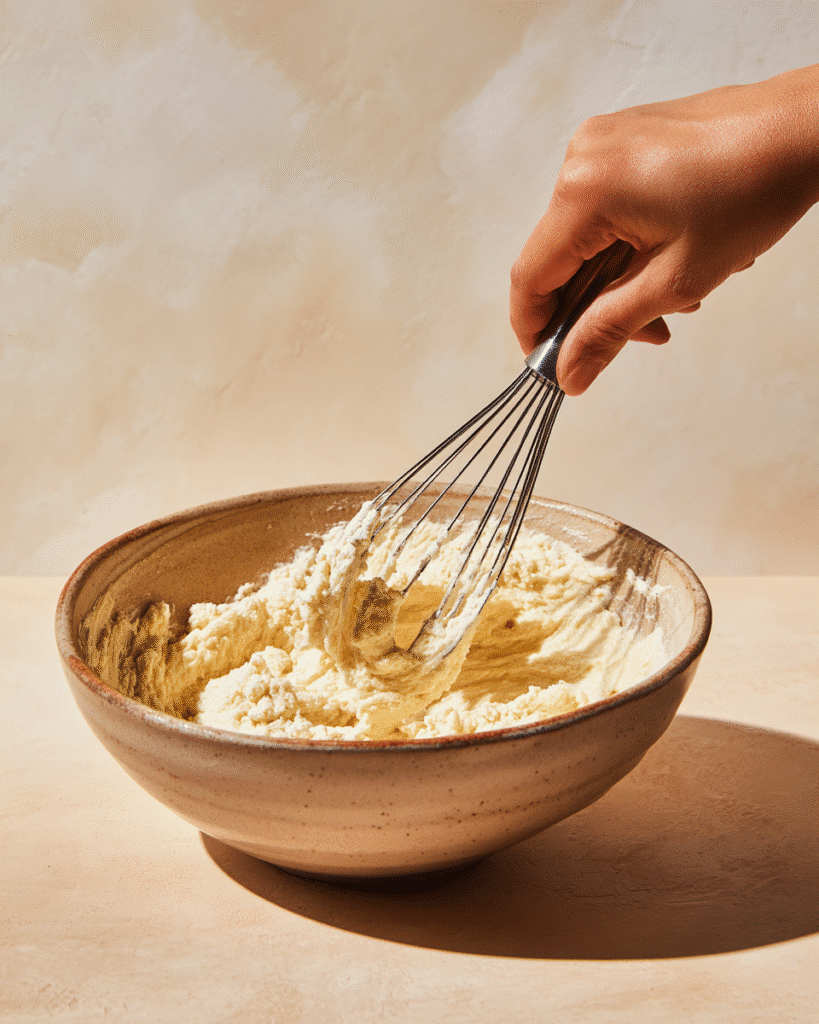
A key tip? Don’t overmix. Once the dry and wet ingredients are blended, stop mixing. Overworking the batter can lead to dense protein muffins, especially when using high-protein ingredients. And always let them cool fully on a wire rack—they continue to set as they cool, locking in moisture and improving texture.
For another great recipe that uses protein powder without drying out, check out my high-protein pancake recipe—perfect for breakfast meal prep.
Temperature, Timing & Texture: The Baking Basics
Even the best muffin batter can fall flat if you don’t nail the oven settings. Here’s how to set yourself up for success:
- Use the Right Temp: Bake at 350°F (180°C) for standard ovens or 320°F (160°C) for fan-assisted. This prevents over-browning on top while the center cooks through gently.
- Watch the Clock: Bake for 20 minutes (regular size) or 17 minutes (mini muffins). Don’t guess—overbaking is the fastest way to dry out protein muffins.
- Test for Doneness: Insert a toothpick. It should come out clean or with just a crumb or two. If it’s sticky, give it another minute.
- Let Them Rest: Cool in the pan for 2 minutes, then transfer to a wire rack. This helps prevent sogginess at the bottom and ensures a firm, fluffy structure.
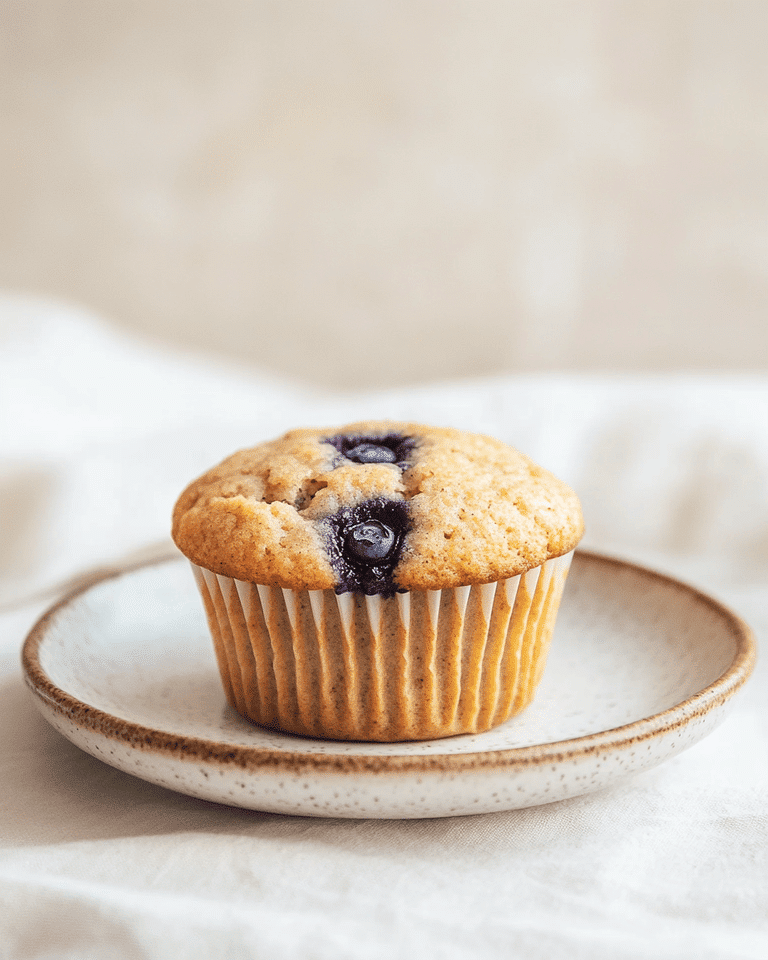
The end result? Protein Muffins with a golden top, a tender crumb, and just enough sweetness to feel like a treat—not a compromise.
If you love freezer-friendly snacks, you’ll also want to try my date bark, which makes a great no-bake option that’s naturally sweet and protein-rich.
Print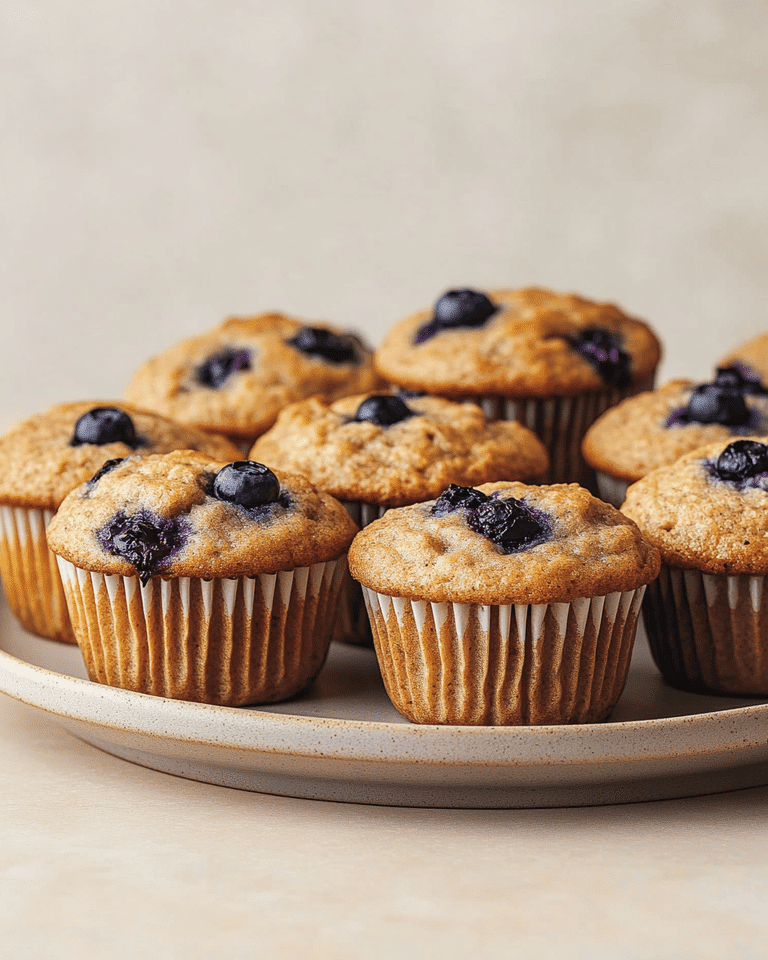
Protein Muffins: Fluffy, Low Sugar, and Packed with Protein
Fluffy and satisfying protein muffins made with almond flour, whey protein, and cottage cheese. Low in sugar and perfect for breakfast or snacks. Ready in 25 minutes!
- Total Time: 25 minutes
- Yield: 12 mini or 8 regular muffins 1x
Ingredients
3 large eggs (room temp)
¾ cup cottage cheese (160g)
⅓ cup melted butter (80g)
1 tbsp lemon juice
1 tsp vanilla extract
1.25 cups almond flour (125g)
½ cup whey protein powder (50g)
⅓ cup granulated sweetener (60g)
½ tbsp baking powder
Zest of 1 lemon (2 tsp)
½ cup fresh blueberries (70g)
Instructions
- Step 1: Preheat oven to 350°F (180°C) or 320°F (160°C) fan.
- Step 2: Blend eggs for 2 minutes until frothy.
- Step 3: Add cottage cheese, butter, lemon juice, and vanilla. Blend until smooth.
- Step 4: Add almond flour, protein powder, sweetener, baking powder, lemon zest. Blend just to combine.
- Step 5: Spoon batter into muffin cups. Add blueberries—some inside, some on top.
- Step 6: Bake 17 min (mini) or 20 min (regular). Don’t overbake.
- Step 7: Cool in tray 2 minutes, then transfer to wire rack to set.
Notes
Makes 12 mini muffins or 8 regular.
Store 2 days room temp, 5 in fridge, 3 months frozen.
Try egg white, pea, or hemp protein alternatives.
- Prep Time: 5 minutes
- Cook Time: 20 minutes
- Category: Snacks, Breakfast
- Method: Baking
- Cuisine: American
- Diet: Diabetic
Nutrition
- Serving Size: 1 muffin
- Calories: 159
- Sugar: 1.4g
- Sodium: 78mg
- Fat: 12.7g
- Saturated Fat: 4.4g
- Carbohydrates: 3.4g
- Fiber: 1.2g
- Protein: 9.3g
All Your Questions About Baking Protein Muffins—Answered
Can you bake muffins without sugar?
Yes, absolutely! In fact, this recipe proves that muffins can be just as delicious without refined sugar. Natural sweeteners like erythritol, monk fruit, or even mashed banana can provide sweetness without spiking blood sugar. These muffins use granulated erythritol for a gentle sweetness and fresh blueberries to add juicy bursts of natural flavor.
If you’re new to sugar-free baking, my sugar-free donuts are another excellent place to start—moist, sweet, and diabetic-friendly.
Can you have protein powder on a no sugar diet?
Most protein powders—especially unflavored whey, egg white, or plant-based blends—are naturally sugar-free. That makes them a great fit for low-carb or diabetic diets. Just read the label carefully to avoid hidden sweeteners or additives.
When in doubt, go with a clean whey isolate or pea protein with no added flavoring.
Can you use protein powder instead of sugar in baking?
While protein powder can enhance a recipe’s structure and nutrition, it doesn’t replace the role of sweeteners. Sugar adds sweetness, moisture, and tenderness. Protein powder, on the other hand, adds structure and density.
That’s why it’s best to combine a protein source with a low-glycemic sweetener like erythritol or monk fruit—so you get both sweetness and softness, like in these muffins.
Can I bake muffins with protein powder?
Definitely—and with great results, as long as you adjust the ingredients accordingly. Protein powder can absorb more liquid than flour, so recipes like this one include extra moisture from cottage cheese, eggs, and butter to balance the texture.
Follow the ratios in this recipe and you’ll end up with tender, fluffy muffins, not dry bricks.
Protein muffins aren’t just another health trend—they’re a smart, satisfying solution for anyone looking to eat better without giving up comfort or flavor. Whether you’re managing diabetes, following a low-sugar lifestyle, or just trying to add more protein to your day, these muffins offer a genuinely nourishing alternative to sugary snacks.
What makes this recipe special is its simplicity. With clean, everyday ingredients like almond flour, cottage cheese, and blueberries, you can create muffins that taste indulgent but support your health goals. Each bite offers balanced nutrition, a tender crumb, and just enough natural sweetness to feel like a treat—not a sacrifice.
One of the best parts? You can make a batch in 25 minutes and store them for the week—or freeze for later. They’re perfect for busy mornings, lunchboxes, or post-workout snacks. And they’re endlessly customizable, too. Try swapping blueberries for raspberries, or explore different protein powders like pea or egg white, depending on your dietary needs.
If you’re excited about more healthy bakes, don’t miss some of my reader favorites like Cottage Cheese Banana Bread or these ultra-moist Sugar-Free Donuts. For something chewy and naturally sweet, Banana Oat Chocolate Chip Cookies are a must-try.
And if you want to understand more about how to structure low-sugar recipes or choose the right sweeteners, the American Diabetes Association offers helpful guidelines. You can also explore this Cleveland Clinic guide to protein powders to pick the best option for your needs.
Want more recipes, kitchen inspiration, and support from a like-minded community? Join me on social media where we share baking tips, troubleshoot flops, and celebrate wins—from crumbly cookies to perfect muffins.
Connect with the Let’s Make Recipes family:
- Facebook Page – for all new recipe updates
- Facebook Group – a cozy space to ask questions and swap ideas
- Instagram – behind-the-scenes peeks, reels, and daily baking fun
You’re not just baking muffins—you’re baking with heart. And you’re never doing it alone.